Anime: Bleach
Creator: Tite Kubo
Genres: Action, Adventure, Supernatural, Fantasy
Review Rating: 9/10
⚔️ Introduction: A Legendary Soul Reaper Story
Few anime series have made an impact on shonen anime quite like Bleach. Created by Tite Kubo, the series follows Ichigo Kurosaki, a teenager who unexpectedly gains the powers of a Soul Reaper and becomes responsible for protecting humans from dangerous spirits known as Hollows.
What begins as a supernatural adventure gradually develops into a much larger story involving Soul Society, powerful enemies, complicated friendships, and battles that threaten entire worlds.
With its distinctive character designs, memorable soundtrack, and iconic sword fights, Bleach has earned a lasting place among the most recognizable action anime franchises.
But after its original television run and the return of the story through Bleach: Thousand-Year Blood War, does the series still deserve its legendary reputation?
🔥 Story and Worldbuilding
One of Bleach's biggest strengths is its worldbuilding. Soul Society introduces a fascinating organization of Soul Reapers, each with different abilities, personalities, and responsibilities. The concept of Zanpakuto—swords connected to their wielders' identities—also gives the series a unique foundation for its combat system.
The story expands through several major arcs, including the Soul Society, Arrancar, and Thousand-Year Blood War arcs. Each introduces new enemies, secrets, and conflicts that gradually broaden the series' supernatural universe.
The Soul Society arc is particularly effective at combining mystery, emotional stakes, and action. Later arcs raise the scale considerably, bringing powerful antagonists and increasingly elaborate battles into the story.
However, the original anime is not always perfectly paced. Some sections feel stretched, and filler episodes can interrupt the momentum of the main plot. New viewers may find that the sheer length of the series requires patience.
🗡️ Characters: The Heart of Bleach
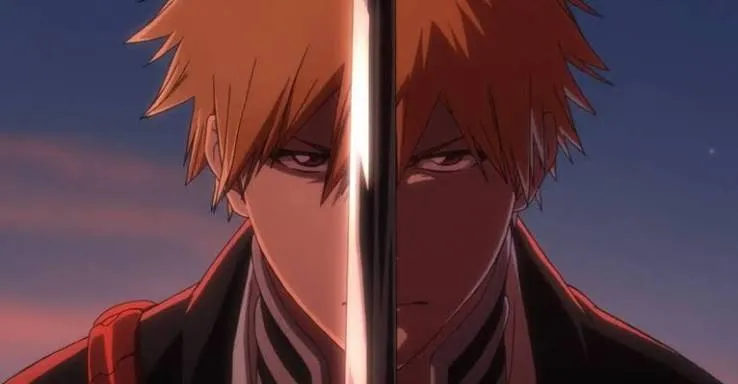
Ichigo Kurosaki is an appealing protagonist because his motivation is relatively straightforward: he wants to protect the people he cares about. He does not begin his journey seeking fame or power. Instead, his responsibilities push him into increasingly dangerous situations.
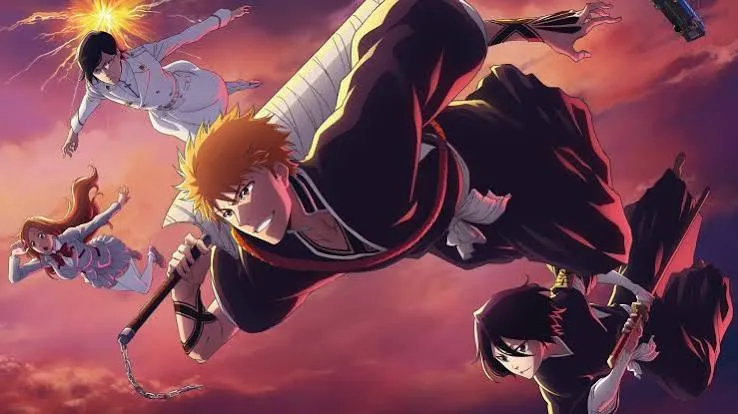
The supporting cast is another major highlight. Rukia Kuchiki, Uryu Ishida, Orihime Inoue, Renji Abarai, and the captains of the Gotei 13 each contribute to the franchise's identity.
The antagonists are equally important. Their contrasting personalities, motivations, and abilities help make the battles more than simple contests of strength.
One weakness is that some supporting characters receive less development than their introductions suggest. With such a large cast, not everyone gets the time needed to reach their full potential.
🎨 Animation, Battles, and Visual Style
Bleach has always had a recognizable visual identity. Its character silhouettes, dramatic entrances, and stylish sword combat help distinguish it from other shonen series.
The original anime has moments that show its age, especially when compared with modern productions. Nevertheless, its iconic fights and character designs remain memorable.
Thousand-Year Blood War significantly raises the visual standard with more cinematic direction, detailed effects, and dynamic action sequences. Reviews of the revival have particularly praised its visual presentation and choreography.
The series' soundtrack deserves special recognition. Its mixture of rock, electronic, orchestral, and other musical influences creates an atmosphere that complements both the action and the emotional moments.
📖 The Thousand-Year Blood War Revival
The return of Bleach for its final manga storyline gave the franchise an opportunity to revisit its biggest strengths while improving its presentation.
The Quincy conflict introduces powerful enemies, major revelations, and battles that challenge even the strongest Soul Reapers. The revival also expands parts of the story and gives selected characters more opportunities to shine.
For longtime fans, the revival offers the excitement of seeing iconic moments adapted with modern production values. For newcomers, it demonstrates why the franchise remains so influential, although watching the earlier story first is essential for understanding its characters and conflicts.
⚖️ What Bleach Does Well—and Where It Struggles
What works well:
- Memorable characters with distinctive designs and abilities.
- Creative sword battles and transformation sequences.
- Excellent music and a recognizable atmosphere.
- An expansive supernatural world with compelling mysteries.
- Improved animation and presentation in Thousand-Year Blood War.
What could be better:
- Filler arcs and uneven pacing in the original television series.
- Some repetitive battle structures and power increases.
- Supporting characters who occasionally receive limited development.
- A large cast and extensive history that can overwhelm newcomers.
⭐ Final Verdict
Bleach remains a standout shonen anime because it combines style, action, atmosphere, and memorable characters in a way few franchises can replicate. Its flaws are real, particularly its pacing and filler, but they do not erase the strengths that made it popular.
The modern Thousand-Year Blood War adaptation demonstrates how powerful the franchise can be when its story receives cinematic production and focused presentation.
Final Rating: 9/10
Verdict: Highly recommended for fans of action anime, supernatural adventures, powerful rivalries, and unforgettable battles. New viewers should consider a filler guide when watching the original series.
Sources: Common Sense Media — Bleach: Thousand-Year Blood War Review | GamesRadar+ — Bleach's Return and Fan Reception | Metacritic — Bleach User Reviews